 1-216-595-0695 Sales

The Correctional Administrator’s Guide to Cell Checks: Guard Tour Systems and Mobile RFID Inmate Tracking Systems
Understanding Cell Checks in Correctional Facilities
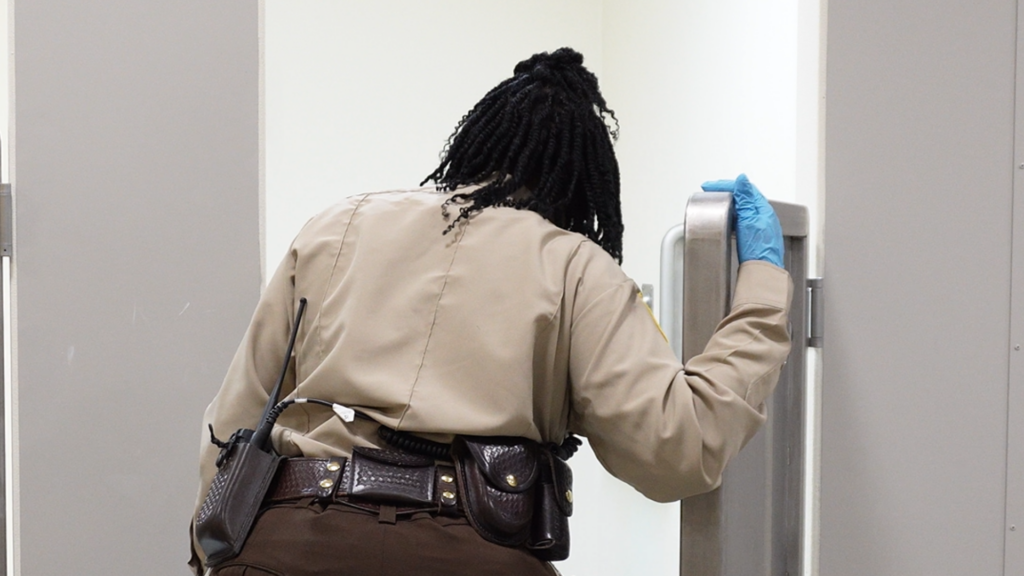
Cell checks are known by many names. Depending on the purpose and the location, they may be called well-being checks, or suicide watches, or officer rounds.
Critical Role in Facility Safety and Security

Cell checks ensure safety, security, and well-being within a correctional facility. They help prevent escapes, detect contraband, identify signs of violence or health issues, and help to prevent self-harm and illness. Regular checks also maintain order, discourage unauthorized activity, and ensure inmate living conditions. Many facilities use a device like The PIPE, or a mobile RFID inmate tracking system, to document checks.
Overall, cell checks are vital for effective prison management and inmate safety.
Documentation and Legal Compliance
Cell checks and well-being checks provide necessary documentation for accountability and legal purposes by ensuring that staff are consistently performing their duties and maintaining safety protocols. All facilities require a documented record of when and where checks occurred. This is crucial for monitoring inmate well-being, preventing incidents, and compliance with legal mandates.
The transparency provided by consistent documentation helps hold staff accountable, improves operational efficiency, and can be used in investigations or legal proceedings if necessary. This accountability fosters a safer and more organized environment for both inmates and staff.
Essential Procedures for Mobile RFID Cell Checks

Correctional facilities must establish clear procedures for officers performing cell checks. Staff should be trained to note signs of distress, self-harm, or health issues. Each check should be documented for accountability, and technology like The PIPE or a mobile RFID inmate tracking system can confirm these checks efficiently. Follow-up procedures must be in place to missed checks, and to address any health or safety concerns that arise during the checks.
An automated system – for example, an inmate tracking system – can help a facility ensure real-time verification of each check, reducing human error.
Supervision and Quality Control Through RFID Technology
Administrators or supervisors should conducted regular reviews to verify that checks are being completed as required, with prompt investigation of any missed checks. Staff should receive ongoing training on the importance of checks. Accountability should be enforced through documentation and supervision. Clear communication channels must also be in place to report and address any missed checks, ensuring the safety and well-being of inmates.
To learn more about Guard1 RFID inmate tracking technology for correctional cell checks, speak to your sales representative, or request a demonstration.