 1-216-595-0695 Sales


A Comprehensive Guide to Correctional Officer Safety
Traditional Correctional Officer Safety Systems
Correctional facilities have traditionally used two-way radios, video surveillance, and wall-mounted panic buttons for officer safety. These systems allow communication, monitoring, and emergency alerts but have limitations. Radios require manual activation, panic buttons are location-dependent, and cameras do not provide instant alerts during emergencies.
Modern Wearable Panic Button Solutions
Wearable panic buttons address these limitations by offering continuous monitoring and customizable alerts. These devices can silently signal for help or sound an alarm, and they provide real-time location tracking with higher precision than traditional systems.
Key Benefits of Wearable Panic Buttons:
-
- Customizable alerts (silent or audible)
- Automatic man-down detection
- Precise location tracking
- Hands-free operation during emergencies
- Continuous monitoring without manual input
Technical Specifications

Guard1's wearable panic buttons, such as the Duress Device, offer durability, lightweight construction, and long battery life. They transmit signals once per second and increase transmission power during emergencies for reliable communication.
Device Features:
· Durable polycarbonate resin construction
· Up to 18 months of battery life
· 2.4 GHz frequency for signal transmission
· Enhanced signal strength during emergencies
Advanced Location Tracking
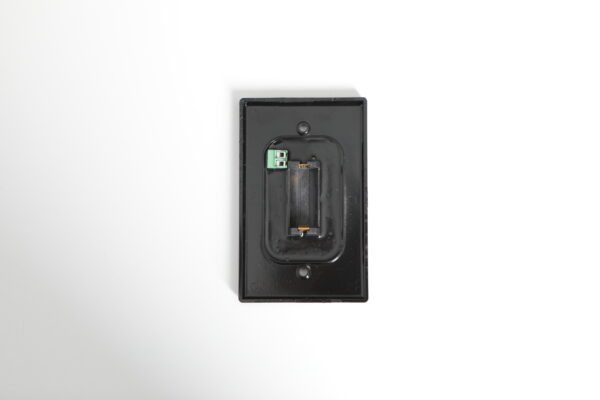
Guard1's Precision Location Tag (PLT) system improves location accuracy, allowing for real-time, precise positioning within a 15-foot radius to enhance emergency response coordination.
System Reliability and Redundancy
Guard1 ensures system reliability through server redundancy, heartbeat monitoring, and real-time self-testing. Alerts for equipment issues ensure continuous functionality.
Maintenance and Testing
Guard1's system includes regular self-test capabilities, enabling staff to verify device operation, signal transmission, and battery status before entering secure areas.
Environmental Considerations
The Duress Device and Pendant are built to operate in extreme temperatures, from -40°F to 158°F, and are durable enough to withstand the demanding environments of correctional facilities.
Cost-Benefit Analysis of Safety Solutions
Implementation Considerations
When implementing safety solutions, facilities must consider infrastructure requirements (e.g., receiver networks for wearable systems) and integration with existing systems. Guard1's wireless solution minimizes installation complexity.
Regulatory Compliance
Guard1's wearable panic buttons meet FCC and IC certification standards, ensuring compliance with safety and communication regulations.
Future Trends in Officer Safety Technology
As technology evolves, integrated systems will provide more advanced features, further enhancing officer safety. Guard1 continues to innovate wearable solutions to complement traditional security measures.
Future Trends in Officer Safety Technology
· A comprehensive officer safety solution should:
· Provide redundant communication methods
· Offer multiple alert options
· Enable hands-free activation
· Ensure constant location tracking
· Allow customizable alert responses
Guard1's wearable panic buttons fulfill these needs, working seamlessly with existing security infrastructure. To learn more, contact Guard1 for a facility assessment.