 1-216-595-0695 Sales

An Administrator’s Guide to Implementing a Mobile Inmate Tracking System
Why Your Facility Needs a Mobile Inmate Tracking System
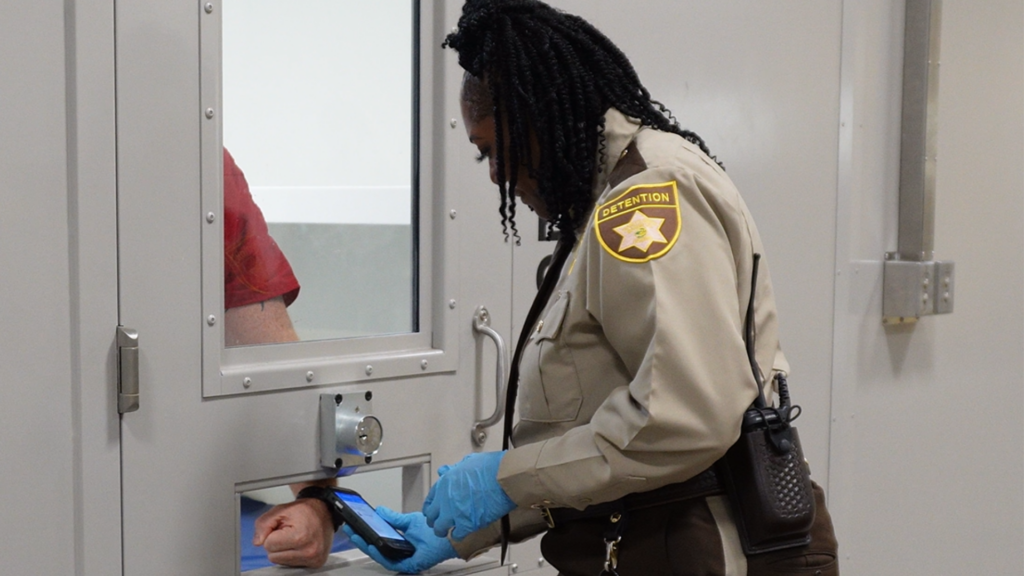
Modern correctional facilities face increasing demands for accountability, safety, and operational efficiency. Mobile inmate tracking systems provide essential documentation for accountability and legal purposes by ensuring that staff consistently perform their duties and maintain safety protocols. These systems help prevent escapes, detect contraband, identify signs of violence or health issues, and help prevent self-harm and illness.
The transparency provided by digital tracking and documentation helps hold staff accountable, improves operational efficiency, and provides crucial evidence for investigations or legal proceedings. This accountability fosters a safer and more organized environment for both inmates and staff while reducing administrative burden.
How Mobile Inmate Tracking Systems Function
Mobile inmate tracking systems operate through a combination of RFID technology, mobile devices, and centralized software. The system uses either passive or active RFID tags to monitor inmate locations and movement. Staff members use mobile devices to conduct checks, verify locations, and document activities in real-time.
When integrated with a facility's existing infrastructure, these systems can provide comprehensive monitoring capabilities while maintaining security protocols. The Guard1 Real Time system, for example, offers both active and passive RFID options to match different facility requirements and security levels.
Essential Features of Mobile Inmate Tracking Systems
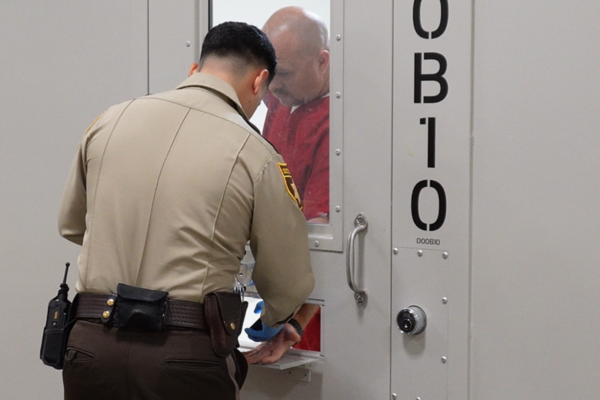
Modern mobile tracking solutions should include several core capabilities:
- Real-time location monitoring and movement tracking
- Digital documentation of cell checks and wellness observations
- Activity logging for meals, recreation, and services
- Automated alerts for missed checks or unauthorized movement
- Integration with existing security and management systems
The system should also support item tracking for managing inmate possessions, commissary items, and facility equipment. This comprehensive tracking helps maintain accountability while reducing manual documentation requirements. Guard1's mobile inmate tracking solutions incorporate these essential features while maintaining robust security protocols and easy-to-use interfaces.
Installing Mobile Inmate Tracking Infrastructure
Implementation requires careful planning and coordination across multiple departments. Key installation steps include:
- Network Infrastructure Assessment
- Evaluating existing WiFi coverage
- Identifying dead zones and interference sources
- Planning network port allocation for docking stations
- Hardware Deployment
- Mounting RFID tags at strategic locations
- Installing docking stations and charging infrastructure
- Configuring mobile devices and testing connectivity
- System Configuration
- Setting up duty posts and zones
- Defining observation parameters
- Establishing reporting protocols
Mobile Inmate Tracking Monitoring Solutions
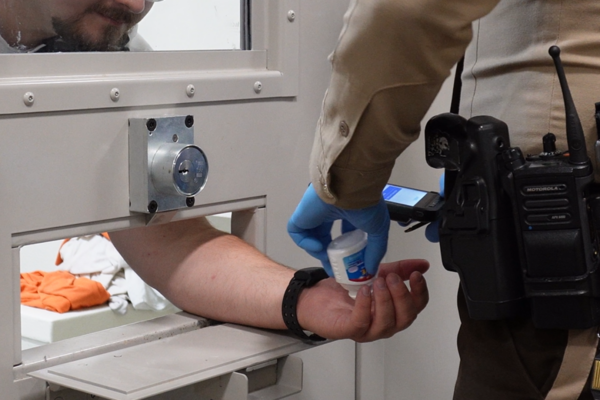
Effective monitoring requires both real-time observation capabilities and comprehensive reporting tools. The system should provide immediate alerts for security concerns while maintaining detailed logs for analysis and reporting. Administrators need access to both historical data and live monitoring capabilities.
Implementation success depends heavily on proper staff training and establishing clear protocols for system use. Regular audits of system usage and effectiveness help ensure consistent application of security protocols while identifying areas for improvement. Guard1's Real Time platform provides comprehensive monitoring tools and reporting capabilities to support these essential oversight functions.
Choosing the Right Mobile Inmate Tracking System
When selecting a tracking system, consider these key factors:
- Facility size and layout requirements
- Integration capabilities with existing systems
- Staff training requirements and ease of use
- Scalability for future expansion
- Support and maintenance provisions
Integrating Mobile Inmate Tracking Systems
Integration with your jail management system (JMS) forms the foundation of an effective mobile inmate tracking implementation. The process begins with periodic XML data exports from your JMS to the tracking system, which can be configured as either one-way or bi-directional to allow activity data to flow back to your JMS. This integration enables automatic synchronization of critical information like inmate data, photos, housing assignments and keep-separate orders.
Beyond basic data sharing, the system can automate workflows based on inmate classifications such as suicide watch, medical observation and security levels. While integration typically requires only 1-2 weeks with a responsive JMS vendor, the operational benefits make it a valuable investment. The Guard1 system has proven integration success with dozens of major JMS providers and can connect with other facility systems including access control, video surveillance and commissary management.
Future of Mobile Inmate Tracking Systems
The technology continues to evolve with a focus on enhanced operational capabilities. Future developments will likely include more powerful mobile devices with expanded features, improved integration with facility systems like officer duress alarms and inmate tracking beacons, and enhanced security measures. The emphasis remains on creating more efficient and secure correctional environments through integrated technology solutions.
Facilities should consider scalability and future expansion capabilities when selecting a system. Guard1's Real Time platform is designed to grow alongside emerging technologies while maintaining core security and accountability functions.
To learn more about implementing a mobile inmate tracking system in your facility, contact Guard1 for a customized demonstration and assessment of your specific needs.