 1-216-595-0695 Sales

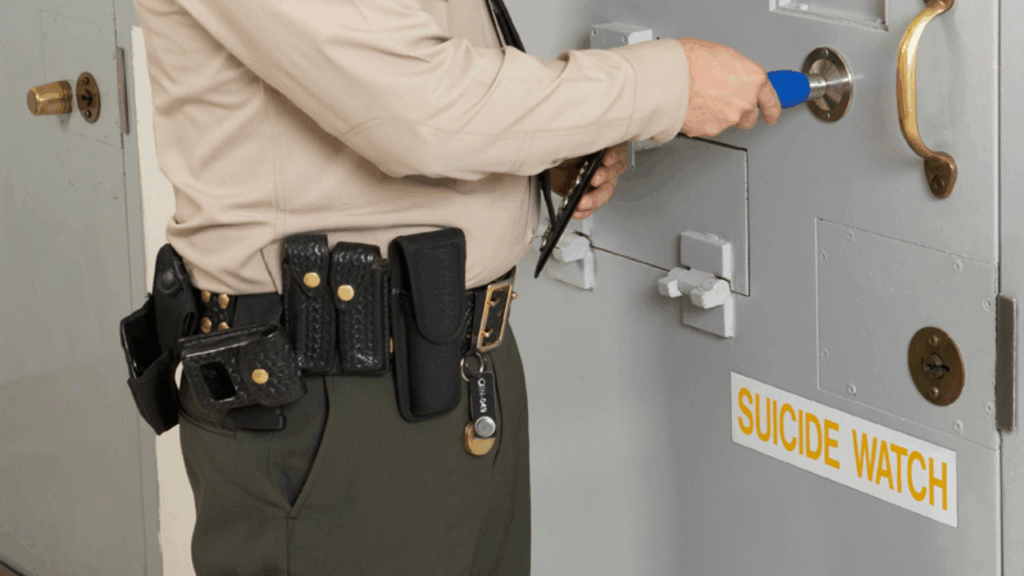
Best Practices for Critical Incident Responses in Jails
Managing Critical Incidents: A Comprehensive Approach
Critical incidents demand more than immediate crisis management. These abnormal events significantly impact both facility operations and the staff who respond to them, requiring comprehensive strategies that protect operational integrity, individual well-being, and legal compliance.
Effective critical incident response encompasses systematic documentation, staff wellness support, policy compliance verification, and thorough investigation preparation—all working together to address these challenging situations professionally.
Building the Evidentiary Foundation
Systematic documentation forms the cornerstone of effective critical incident response. This means capturing relevant information from multiple sources to ensure investigators have complete records while protecting both facilities and staff members.
Essential documentation includes detailed incident logs with chronological event recording, video documentation from all relevant facility areas, security system records and access control information, medical records and treatment documentation, and witness statements and staff observations.
Mobile RFID tracking solutions like Guard1 Mobile provide automated documentation that captures real-time location data and movement patterns during critical incidents, offering objective evidence while reducing manual documentation burdens.
Integrating Medical Information
Critical incident response requires careful integration of medical information relevant to incident understanding. This includes immediate medical response documentation and historical records that provide context for what occurred.
Medical documentation serves multiple purposes: supporting treatment decisions, providing investigators with relevant health information, and ensuring compliance with healthcare delivery standards during crises through immediate medical assessment and treatment records, historical medical records relevant to incident circumstances, mental health documentation and treatment history, medication records and potential side effects, and previous medical incidents or health-related behaviors.
Verifying Policy Compliance
Systematic verification that policies and procedures were followed protects both facility operations and individual staff members while supporting thorough investigations. This involves detailed examination of staff actions compared to established procedures.
This analysis helps identify whether incidents resulted from policy failures, training gaps, or external factors beyond facility control through step-by-step comparison of actions against written procedures, timeline analysis to verify response timing requirements, communication protocol adherence verification, resource allocation and utilization assessment, and decision-making authority and escalation compliance.
This systematic approach ensures investigations can clearly distinguish between policy-related issues and external factors that contributed to incident circumstances.
Supporting Staff Wellness
Staff members who respond to critical incidents often experience significant psychological impact. These abnormal events can create lasting effects requiring comprehensive wellness support and mental health resources.
Despite extensive training, critical incidents represent situations staff cannot fully prepare for. The abnormal nature of these events can create shock, confusion, and long-term psychological effects demanding professional support through immediate post-incident psychological support and debriefing, long-term mental health resources and counseling availability, peer support programs and professional guidance, and work schedule modifications to support recovery.
Preparing During Onboarding
Effective critical incident response begins during onboarding when new staff learn about the realities of correctional work. This includes honest discussion about potential critical incidents and the psychological challenges they present.
Transparent onboarding helps staff make informed career decisions while preparing them psychologically for challenges ahead through realistic discussion of potential critical incident types, psychological preparation for abnormal and traumatic events, training on personal resilience and stress management, introduction to wellness resources and support systems, and clear expectations about professional responsibilities during crises.
This comprehensive preparation helps staff develop realistic expectations while building confidence in their ability to handle challenging situations professionally.
Preparing for Investigations
Comprehensive preparation for inevitable post-incident investigations involves both immediate evidence preservation and staff preparation for investigative interviews and procedures.
This includes evidence preservation protocols and chain of custody procedures, staff interview preparation and legal rights education, documentation organization and accessibility planning, and external agency coordination and communication. These preparations protect both facility interests and individual staff members.
Training for Response Excellence
Comprehensive training programs form the foundation of effective critical incident capabilities. This training must address both technical response procedures and psychological preparation for handling abnormal events.
Critical incidents differ fundamentally from routine operational challenges, requiring specialized knowledge, emotional resilience, and systematic response capabilities developed through focused preparation including technical response procedures for various incident types, psychological preparation for traumatic event exposure, investigation cooperation and legal rights understanding, stress management and resilience building techniques, and team coordination and communication during crises.
Regular training updates ensure staff remain current on best practices while building confidence in their ability to handle challenging situations professionally.
Establishing Policy Frameworks
Comprehensive policy development addressing various incident types provides clear guidance for staff response. These policies must be regularly updated to reflect evolving best practices and lessons learned.
Well-developed policies provide consistency while ensuring legal compliance, protecting both operations and staff by establishing clear expectations including incident classification and response protocols, communication requirements and notification procedures, documentation standards and evidence preservation, staff support and wellness resource activation, and investigation cooperation and legal compliance requirements.
Leveraging Technology
Modern critical incident response benefits significantly from technology integration supporting both immediate response and subsequent investigations. Advanced systems provide real-time information while automating critical documentation functions.
Technology solutions should enhance human decision-making while providing objective documentation that supports thorough analysis. These systems complement professional expertise while reducing potential errors during high-stress situations through automated incident documentation, enhanced situational awareness through monitoring systems, and objective evidence collection and preservation.
Building Comprehensive Capabilities
Successful critical incident response requires viewing these challenges as opportunities to demonstrate professional competence while protecting operational integrity and staff well-being. The most effective strategies combine systematic documentation, wellness support, policy compliance verification, and investigation preparation.
Guard1's mobile inmate tracking solution provides the technological foundation supporting comprehensive critical incident response with real-time alerts and complete electronic log history that transforms how facilities manage these challenging situations.