 1-216-595-0695 Sales

How to Be Proactive with Incidents in Jail: Essential Preparation
Building Preparedness Through Practice
Being proactive with jail incidents requires shifting from reactive response to comprehensive preparation strategies. Effective incident management begins long before any actual incident occurs, focusing on systematic staff preparation and facility readiness.
The foundation of proactive incident management lies in thorough preparation of staff, supervisors, and facility systems. This comprehensive approach ensures that when incidents do occur, response teams are ready to handle situations efficiently while minimizing risks and potential liabilities.
Comprehensive Staff Preparation
Investing in comprehensive staff preparation across all operational areas extends beyond basic training to include practical, hands-on experience that builds confidence and competence in real-world situations.
Effective staff preparation involves understanding that incidents can range from minor documentation requirements to complex situations requiring extensive investigation and multiple department involvement. Each type demands different response protocols and skill sets including regular training on incident response protocols, cross-departmental coordination exercises, documentation and reporting procedure practice, communication chain verification and testing, and equipment familiarity and maintenance training.
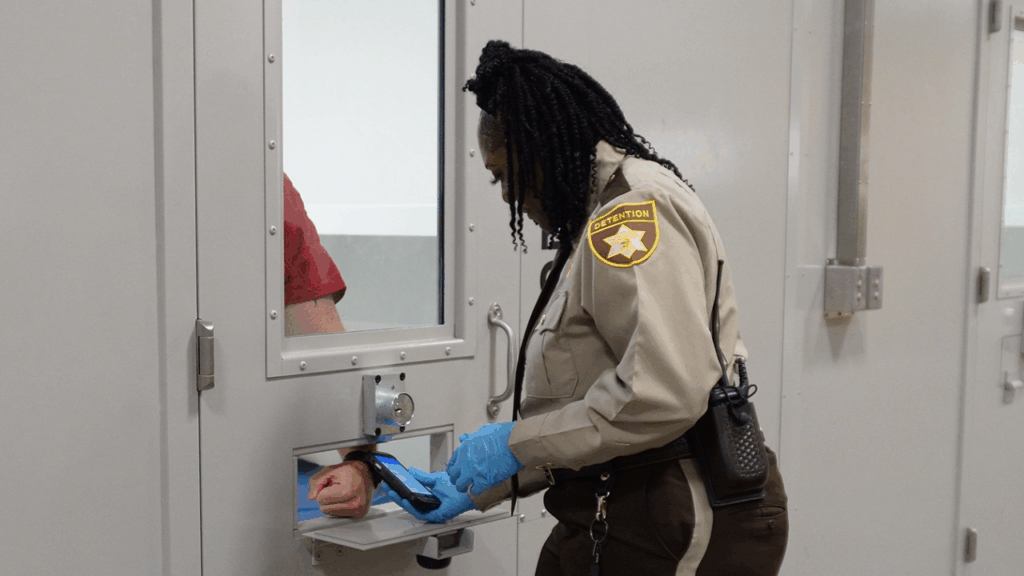
Mobile RFID inmate tracking solutions like Guard1 support staff preparation by providing real-time incident monitoring capabilities that help teams practice response procedures while maintaining comprehensive documentation.
Mock Drills and Scenario-Based Training
Regular mock drills simulating common facility incidents help staff develop muscle memory for proper response procedures while identifying potential gaps in current protocols.
Mock drills should focus on incidents that occur regularly within correctional facilities, ensuring staff encounter realistic scenarios they're likely to face during actual operations. This practical approach builds confidence while improving response times and coordination through scenario development based on historical incident patterns, multi-shift training to ensure 24/7 preparedness, cross-departmental participation including medical and maintenance staff, realistic timing constraints mirroring actual incident conditions, and comprehensive debriefing sessions to identify improvement opportunities.
Since incidents don't follow regular business hours, training must prepare staff for situations that could occur at three in the morning or nine o'clock at night. This around-the-clock readiness ensures consistent response quality regardless of when incidents occur.
Learning from Experience
Systematic review and analysis of past incidents identifies patterns, improvement opportunities, and training needs. This analytical approach transforms past experiences into valuable learning opportunities that strengthen future response capabilities.
The incident review process should examine both minor incidents requiring simple documentation and complex situations demanding extensive investigation. Each type provides valuable insights into operational effectiveness and staff preparedness levels through detailed analysis of response procedures and timing, identification of communication gaps or delays, assessment of resource allocation and utilization, documentation quality and completeness evaluation, and recommendations for procedural improvements.
This systematic approach helps facilities understand their strengths while identifying specific areas where additional training or procedural modifications could improve response effectiveness.
Multi-Departmental Coordination
Effective incident response often involves multiple departments working together seamlessly. This coordination must be practiced and refined through regular training exercises that simulate real-world conditions.
Different types of incidents may require involvement from security staff, medical personnel, maintenance teams, administrative staff, and external agencies. Each department brings specific expertise and resources that contribute to comprehensive incident resolution through clear communication protocols between departments, defined roles and responsibilities for each team member, resource sharing procedures and equipment access, documentation responsibilities and information flow, and decision-making authority and escalation procedures.
Reducing Risk and Liability
Comprehensive preparation strategies reduce both operational risks and potential legal liabilities. This preventive approach protects both facility operations and individual staff members.
Effective preparation reduces risks by ensuring staff members know exactly how to respond when incidents occur. This knowledge eliminates hesitation and confusion that can escalate situations or create additional complications through standardized response procedures minimizing variability, regular training updates reflecting current best practices, equipment maintenance and readiness verification, communication system testing and backup procedures, and documentation protocols supporting legal protection.
Well-prepared staff make better decisions under pressure, leading to more effective incident resolution while reducing the likelihood of complications that could create additional risks or liabilities.
Ensuring Systematic Notification
Enhanced monitoring extends beyond individual observation to include systematic notification of appropriate professionals when concerning behaviors are identified. This ensures specialized expertise is available when needed.
Notification protocols must identify when medical staff, mental health professionals, supervisors, or other specialists should be contacted based on observation findings. Critical components include clear criteria for required notifications, contact procedures for appropriate professionals, documentation of notifications and responses, follow-up procedures ensuring appropriate action, and integration between security, medical, and mental health systems.
Immediate Response Readiness
Ensuring staff members can respond immediately without needing to consult policies or search for contact information requires thorough preparation that builds automatic responses to common situations.
During actual incidents, staff members cannot afford to spend time looking up procedures or trying to remember contact information. Every moment of delay can escalate situations or create additional complications through memorization of essential contact information and procedures, quick reference materials strategically placed throughout the facility, regular practice building automatic response patterns, communication protocols eliminating confusion, and equipment familiarity preventing operational delays.
This level of preparedness ensures each team member knows exactly how their role fits into the overall response effort while understanding how different components work together to achieve effective incident resolution.
Building Education-Based Competence
Successful incident preparation focuses on building genuine competence through comprehensive education rather than simple memorization of procedures. This educational approach helps staff understand the reasoning behind different procedures while developing problem-solving skills for unexpected situations.
Strong educational foundations enable staff to adapt procedures when unique circumstances require modified responses. This flexibility prevents rigid adherence to procedures that may not perfectly fit every situation while maintaining overall response effectiveness through understanding the principles behind response procedures, scenario-based learning developing critical thinking, cross-training building versatility and backup capabilities, continuous learning programs reflecting evolving best practices, and performance assessment identifying individual development needs.
Transforming Preparation into Excellence
Being proactive with jail incidents requires viewing incident preparation as an ongoing investment in operational excellence rather than a periodic training requirement. Successful facilities create cultures where thorough preparation becomes second nature while continuous improvement drives enhanced response capabilities.
The most effective facilities treat incident preparation like athletic training, recognizing that consistent practice builds the skills and confidence necessary for excellent performance when situations demand immediate, coordinated response efforts.
Guard1's mobile inmate tracking solution provides the technological foundation supporting comprehensive incident preparation while enhancing real-time response capabilities, helping facilities transform their approach from reactive crisis management to proactive operational excellence.