 1-216-595-0695 Sales


ROI Analysis: The Business Case for Modern Inmate Tracking Solutions
Understanding Mobile Inmate Tracking Systems
Modern correctional facilities face increasing demands for accountability, safety, and operational efficiency. Mobile inmate tracking systems provide a comprehensive solution for monitoring and documenting inmate activities, staff rounds, and facility operations in real-time. These digital platforms have become essential tools for maintaining facility security while ensuring regulatory compliance and protecting both staff and inmates.
Business Value of Mobile Inmate Tracking
The implementation of mobile inmate tracking delivers substantial returns on investment through multiple channels. Perhaps most significantly, these systems provide crucial risk mitigation. Recent legal settlements related to inadequate inmate monitoring have ranged from $550,000 to over $12 million, highlighting the financial importance of maintaining proper documentation. Electronic tracking provides defensible evidence of proper procedures and due diligence, helping facilities avoid costly litigation.
Operational efficiency represents another major value driver. Digital tracking eliminates paper-based processes, reducing administrative burden and allowing officers to focus on core security duties. As demonstrated by facilities like Gregg County Sheriff's Office, achieving nearly 100% paperless operations is possible with modern tracking solutions. This streamlining of operations not only saves time but also improves accuracy and accessibility of critical information.
Studies have shown that facilities implementing mobile tracking systems typically see significant reductions in time spent on administrative tasks. This recovered time can be redirected to security-focused activities, ultimately improving facility safety and operational efficiency.
Core Features of Mobile Tracking Solutions
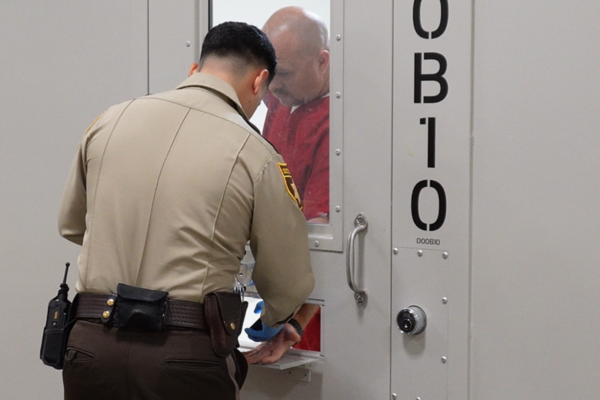
Modern inmate tracking platforms centralize all essential monitoring and documentation functions. Officers can record well-being checks and special watches in real-time, while simultaneously tracking inmate movement and activities throughout the facility. The systems facilitate efficient management of routine tasks like meal distribution, medication administration, and supply distribution, all while maintaining a detailed digital record.
Security rounds and headcounts become more reliable with electronic verification, and program participation tracking helps facilities maintain comprehensive activity records. These features combine to create a complete digital picture of facility operations, accessible to authorized personnel at any time.
Implementation Considerations
Successful deployment requires careful attention to infrastructure requirements. Facilities must ensure reliable WiFi coverage, though modern systems are designed to maintain functionality during connectivity disruptions through local data storage and automatic synchronization when connection resumes. Integration with existing systems, particularly the facility's jail management system (JMS) or offender management system (OMS), requires careful planning but provides significant operational benefits.
The selection of appropriate hardware plays a crucial role in implementation success. Purpose-built devices designed for correctional environments offer advantages in durability and security over consumer-grade alternatives. These specialized devices typically feature reinforced construction, extended battery life, and simplified security protocols for officer use.
Meeting Compliance Requirements
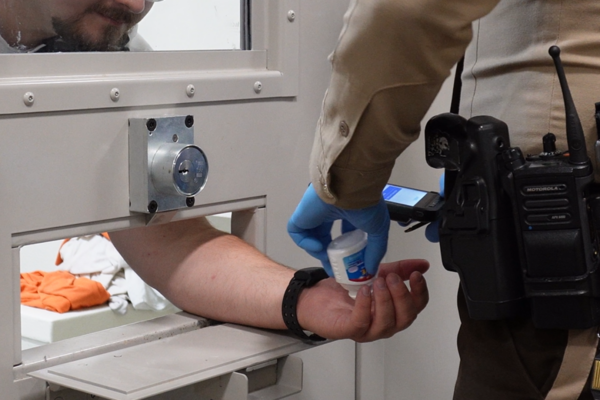
Accreditation standards from organizations like the American Correctional Association (ACA) increasingly emphasize the importance of documented supervision and monitoring. Mobile tracking systems help facilities meet these requirements by providing:
- Automated timestamp verification of all checks and activities
- Real-time monitoring of check completion and compliance
- Comprehensive reporting capabilities for audits and inspections
- Historical data retention for required documentation periods
- Exception reporting for missed or late checks
Independent studies have shown that facilities using electronic tracking systems demonstrate significantly higher compliance rates for required checks and documentation compared to those using paper-based systems.
Staff Training and System Adoption
Successful implementation depends heavily on effective staff training and adoption strategies. A comprehensive training program should include initial hands-on training sessions, advanced training for supervisory staff, regular refresher sessions, and ongoing support resources for new staff members.
Measuring System Success
Key performance indicators for tracking system effectiveness include compliance rates for required checks and activities, time savings in administrative tasks, reduction in documentation-related incidents, staff satisfaction and adoption rates, and audit and inspection outcomes. Leading facilities regularly review these metrics to optimize their systems and processes.
Looking Ahead
For correctional administrators seeking to enhance facility safety, efficiency, and compliance, modern mobile inmate tracking solutions offer proven returns on investment through risk mitigation, operational improvements, and enhanced accountability. The key lies in selecting a system that balances comprehensive functionality with ease of use, while ensuring robust support for both current operations and future needs.
Guard1's mobile inmate tracking solution exemplifies these principles, offering purpose-built hardware, intuitive software, and comprehensive support services.