 1-216-595-0695 Sales

Q15 Minute Patient Safety Checks: Essential Guide for Behavioral Healthcare
In the complex world of behavioral healthcare, patient safety remains the highest priority. At the heart of this commitment lies a fundamental practice: the Q15 safety check. This essential protocol, where staff members observe patients every 15 minutes, forms the backbone of inpatient psychiatric care safety measures.
While “Q15” 15-minute intervals are standard, healthcare facilities may adjust these timeframes based on patient needs. Some patients might require less frequent observations (Q30 or Q60), while others may need continuous monitoring. Understanding these variations helps facilities maintain safety while efficiently allocating their staff resources.
The Evolution of Patient Safety Monitoring
Traditional patient monitoring relied heavily on paper documentation, often leading to significant challenges for healthcare facilities. Staff members would make their rounds with clipboards in hand, manually recording their observations. While this system served its purpose for many years, it left facilities vulnerable to various issues, from missing documentation to difficulty proving check completion in critical situations.
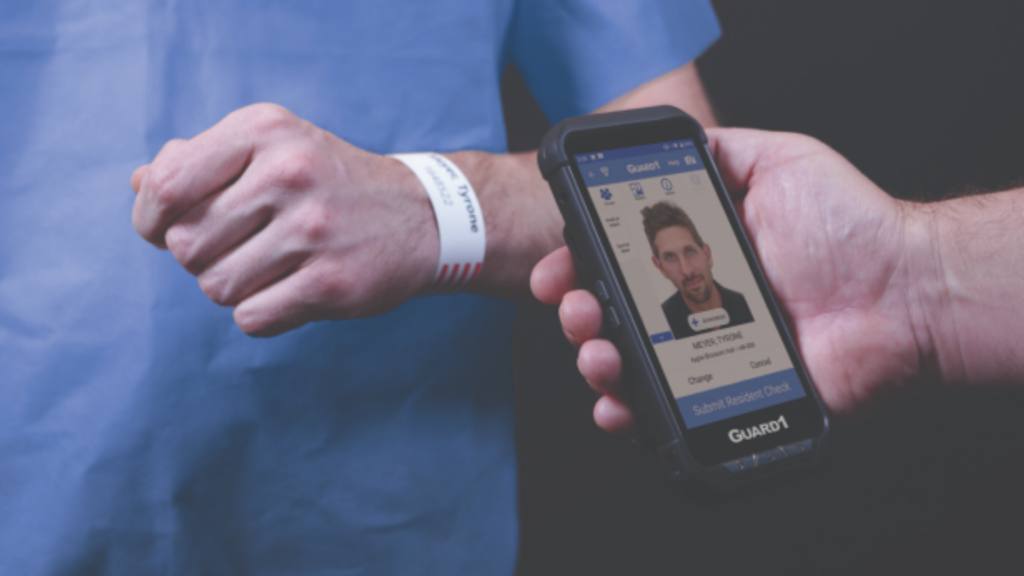
Modern behavioral healthcare faces increasingly complex challenges. Staff shortages, rising patient acuity, and stricter regulatory requirements have pushed facilities to seek more reliable solutions. Digital systems, like Guard1's Q15 Patient Safety Check System, have emerged to address these challenges, offering real-time monitoring and verification of safety checks while maintaining the essential human element of patient care.
Understanding Modern Safety Check Requirements
Today's Q15 checks involve much more than simply verifying a patient's presence. During each observation, staff must confirm signs of life (especially during sleep), assess patient location, and observe current activities and affect. These observations prove crucial for preventing adverse events and supporting effective treatment plans.
The challenge lies in capturing this information accurately and efficiently. Modern solutions have transformed this process, replacing traditional paper logs with mobile devices that enable staff to document observations instantly. Guard1's mobile system, for instance, allows staff to record detailed observations while maintaining their focus on patient care, eliminating the need to manage cumbersome paperwork or remember details for later documentation.
Transforming Documentation and Compliance
The shift from paper to digital documentation represents more than just technological advancement – it's a fundamental improvement in patient care quality. Electronic systems provide immediate verification of completed checks, creating an unalterable record of staff observations. This real-time documentation helps facilities prevent missed checks and provides crucial evidence for regulatory compliance.
Healthcare facilities using modern systems find themselves better equipped to handle regulatory requirements and potential legal challenges. With features like automated timestamping and secure data storage, facilities can easily demonstrate their adherence to safety protocols. Guard1's system takes this further by incorporating real-time alerts for missed checks and enabling supervisor oversight, ensuring that patient safety remains consistently maintained.
Supporting Staff in Their Essential Role
Front-line staff members play the most critical role in patient safety. They need tools that support their work rather than complicate it. Modern safety check systems recognize this by providing intuitive interfaces and clear task lists that help staff maintain their focus on patient care.
The best systems incorporate features that account for real-world challenges. For example, Guard1's platform includes offline functionality, ensuring that staff can continue documenting checks even during network interruptions. When connectivity returns, the system automatically synchronizes all recorded data, maintaining a complete record of patient observations.
Integration and Data Management
One of the most significant advantages of modern safety check systems is their ability to integrate with existing healthcare technology. This integration enables facilities to maintain comprehensive patient records while eliminating duplicate documentation requirements. Staff can focus more time on patient care instead of paperwork, leading to improved care quality and better outcomes.
The integration capabilities extend beyond simple data transfer. Modern systems can connect with electronic health records (EHR) systems to create a comprehensive view of patient care. For example, when Guard1's system integrates with a facility's EHR, staff can access relevant patient information
Real-World Implementation Strategies
Successfully implementing a safety check system requires careful planning and consideration of facility-specific needs. Many facilities find success by taking a phased approach to implementation. They might begin with a pilot program in one unit before expanding to others, allowing staff to become comfortable with new procedures while maintaining patient safety.
Training plays a crucial role in successful implementation. Staff need to understand not just how to use the technology, but why certain protocols exist and how they contribute to patient safety. For instance, facilities using Guard1's system often incorporate hands-on training sessions where staff can practice using the mobile devices and learn how to handle various scenarios they might encounter during checks.
Environmental considerations also impact implementation. Facilities must ensure adequate WiFi coverage for mobile devices, plan for device charging and storage, and establish protocols for device handoff between shifts. Some facilities designate specific charging stations at nurse stations and create clear procedures for device assignment and maintenance.
Adapting to Regulatory Changes
Healthcare regulations constantly evolve, and safety check systems must adapt accordingly. This flexibility proves particularly valuable when facilities need to adjust their protocols quickly in response to new requirements or emergency situations.
Joint Commission standards, state regulations, and facility-specific policies all influence how safety checks are conducted and documented. Digital systems help facilities maintain compliance by providing standardized documentation formats, automated alerts for missed checks, and comprehensive audit trails. They can quickly generate reports for regulatory inspections and demonstrate consistent adherence to required protocols.
Staff Empowerment and Support
The success of any safety check system ultimately depends on the staff members using it. Modern systems recognize this by incorporating features that support staff in their daily responsibilities.
Safety Checks Across Different Care Settings
Residential treatment programs, while still prioritizing patient safety, often take a more flexible approach to monitoring. These facilities aim to create a more home-like environment while maintaining appropriate safety standards. The frequency and nature of checks may vary based on the program type, patient needs, and level of care provided. For instance, a substance abuse residential program might implement different monitoring protocols than a residential mental health facility.
This variation in requirements has driven the development of adaptable monitoring solutions. Modern systems like Guard1 offer customizable options that can accommodate different care settings while maintaining consistent documentation standards. Facilities can adjust check frequencies, observation requirements, and documentation protocols to match their specific needs while still ensuring regulatory compliance and patient safety.
The key difference often lies in the balance between safety monitoring and therapeutic environment. Inpatient psychiatric units prioritize immediate safety concerns, while residential programs focus more on creating a supportive recovery environment. However, both settings benefit from reliable, efficient monitoring systems that can adapt to their specific needs while maintaining high safety standards.
Measuring Success and Quality Improvement
Implementing a digital safety check system provides opportunities for continuous quality improvement. Facilities can track metrics such as check completion rates and patterns in patient behavior through reports of observations that staff make. This data helps identify areas for improvement and validate the effectiveness of current protocols.
Quality improvement initiatives might focus on various aspects of the safety check process. Some facilities work on reducing missed checks through better staff scheduling and alert systems. Others focus on improving the quality of observations by providing additional staff training based on documented patterns. The key is using the available data to drive meaningful improvements in patient care and safety.
Looking Toward the Future
As behavioral healthcare continues to evolve, safety check systems will likely incorporate even more advanced features.
Mobile technology will likely continue to advance, offering even more sophisticated tools for patient monitoring. However, the fundamental purpose of Q15 checks – ensuring patient safety through regular observation – will remain unchanged.
Conclusion
Q15 safety checks continue to serve as a cornerstone of behavioral healthcare safety protocols. While the basic principle remains the same, the methods for implementing these checks have evolved significantly. Modern digital solutions offer healthcare facilities the opportunity to enhance patient safety, improve staff efficiency, and ensure regulatory compliance while maintaining the essential human element of patient care.
As facilities look to improve their safety protocols, they should consider how modern technology can support their staff while enhancing patient care. Whether transitioning from paper documentation or upgrading existing digital systems, the focus should remain on maintaining consistent, accurate, and verifiable patient observations that support both immediate safety needs and long-term care goals.
Ready to see how Guard1's Q15 patient safety check system can enhance your facility's operations? Contact us today to schedule a personalized demonstration. Our team will work with you to determine the best solution for your facility's specific requirements.