 1-216-595-0695 Sales

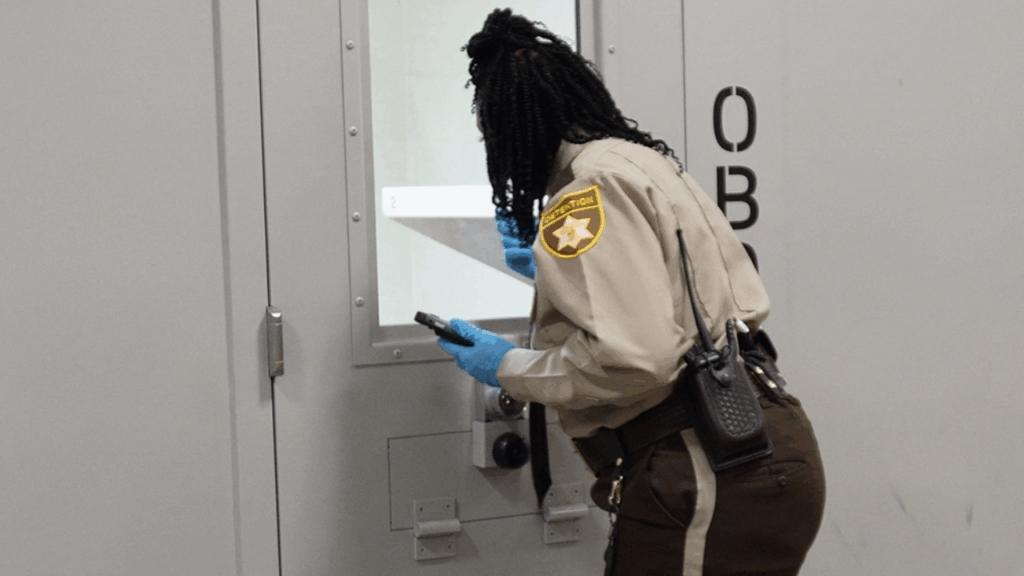
Importance of Checks on Special Status Inmates
Protecting Vulnerable Populations Through Enhanced Monitoring
Special status inmates require enhanced monitoring protocols that go beyond standard observation procedures. These vulnerable populations present elevated risks demanding systematic observation, comprehensive documentation, and immediate response to behavioral changes or crisis indicators.
Correctional facilities have legal and ethical obligations to provide enhanced care for inmates who present heightened risks to themselves or require specialized attention due to mental health, medical, or behavioral factors.
Building on Universal Observation Standards
Enhanced monitoring for special populations builds upon fundamental observation standards that apply to all inmates. Personal observation checks—visual confirmation of living, breathing human beings—represent the most basic responsibility of correctional staff.
These checks fulfill professional obligations while protecting both inmates and facilities from serious legal and safety consequences. Universal principles include visual confirmation during scheduled checks, consistent application across all populations, personal observation that technology cannot replace alone, comprehensive documentation of activities and findings, and professional responsibility extending to every individual in custody.
Mobile RFID inmate tracking solutions like Guard1 Mobile enhance observation standards ensures comprehensive documentation throughout facility operations.
Addressing Unique Vulnerabilities
Special status populations require additional attention due to mental health conditions, suicide risk, medical needs, or behavioral concerns. These individuals demand enhanced protocols addressing their specific vulnerabilities.
Special status inmates may include those on suicide watch, individuals with serious mental illness, medical cases requiring frequent monitoring, or inmates with behavioral issues that could escalate dangerously. Each category requires specialized observation techniques including increased check frequency, specialized staff training, additional documentation requirements, immediate notification protocols for concerning behaviors, and coordination with medical and mental health professionals.
Guard1 Mobile helps meet enhanced monitoring requirements. If general wellness checks occur every 30 or 60 minutes, but special watch checks need inmate-specific observations every 5 to 15 minutes, Guard1 can automatically update to show officers when those checks are due.
Recognizing Crisis Indicators
Staff ability to recognize crisis indicators and assess behavioral changes that signal immediate intervention needs is critical. This requires training in mental health awareness and suicide prevention techniques.
Crisis recognition involves understanding subtle behavioral changes indicating deteriorating mental health, increasing suicide risk, or developing behavioral problems threatening safety. Warning signs include depression or deteriorating mental health, behavioral indicators of suicide risk or self-harm potential, changes in communication patterns or social withdrawal, physical signs of distress or medical concerns, and unusual behaviors deviating from established patterns.
Documenting for Defensible Logs
Comprehensive documentation protects both inmates and facilities while ensuring legal compliance with constitutional standards of care. Proper documentation provides evidence of appropriate care while supporting legal defenses if challenges arise.
Documentation must capture specific observations, actions taken, and follow-up measures implemented in response to concerning behaviors. This creates legal protection while ensuring continuity of care through specific behavioral observations rather than general statements, documentation of all notifications and referrals, records of follow-up actions and outcomes, and compliance with facility policies and legal requirements.
Accurate documentation demonstrates professional competence while providing evidence necessary to defend against allegations of deliberate indifference or inadequate care.
Preventing Deliberate Indifference
Deliberate indifference occurs when staff members have knowledge of serious risks but fail to take appropriate action. This legal standard creates significant liability for facilities and individual staff who observe concerning behaviors without responding appropriately.
Prevention requires taking all behavioral indicators seriously regardless of familiarity, avoiding assumptions about "normal" behavior for specific inmates, following through with appropriate notifications and referrals, documenting all observations and actions, and ensuring continuous monitoring and follow-up care.
Each observation must be treated as potentially significant while maintaining professional standards throughout all interactions with special status inmates.
Ensuring Systematic Notification
Enhanced monitoring extends beyond individual observation to include systematic notification of appropriate professionals when concerning behaviors are identified. This ensures specialized expertise is available when needed.
Notification protocols must identify when medical staff, mental health professionals, supervisors, or other specialists should be contacted based on observation findings. Critical components include clear criteria for required notifications, contact procedures for appropriate professionals, documentation of notifications and responses, follow-up procedures ensuring appropriate action, and integration between security, medical, and mental health systems.
Practicing Communication
Staff must engage in appropriate communication that assesses inmate mental state while building rapport supporting ongoing monitoring. This includes asking direct questions about suicidal thoughts, self-harm plans, and emotional state.
Staff should not avoid these conversations but approach them professionally as part of care responsibilities through direct questions about emotional state and wellbeing, appropriate inquiry about suicidal thoughts or self-harm plans, active listening demonstrating genuine concern, and documentation of all conversations and assessment findings.
These skills help staff gather important information while demonstrating genuine concern for inmate welfare supporting both immediate safety and long-term relationships.
Maintaining Continuity of Care
Observation activities must include appropriate follow-through ensuring continuity of care and ongoing monitoring. This prevents situations from deteriorating while maintaining comprehensive oversight.
Follow-through involves ensuring referrals are completed, recommendations are implemented, and ongoing monitoring continues until concerns are resolved or appropriately managed by qualified professionals through verification that referrals reach appropriate professionals, ongoing monitoring until concerns are resolved, communication with medical and mental health staff, adjustment of protocols based on professional recommendations, and long-term tracking of special status inmates and their progress.
Preparing Through Comprehensive Training
Comprehensive training programs prepare staff for specialized responsibilities involved in enhanced monitoring, addressing both technical skills and emotional preparation.
Programs should cover mental health awareness, suicide prevention, crisis intervention, documentation requirements, and legal obligations while building confidence in handling challenging situations professionally through mental health awareness and crisis recognition, suicide prevention and intervention techniques, appropriate communication strategies, and documentation requirements and legal compliance.
Leveraging Technology for Enhanced Care
Technology integration supports enhanced monitoring while providing comprehensive documentation of all observation activities. Technology complements human observation rather than replacing professional judgment.
Integration focuses on providing tools enhancing staff ability to monitor special populations while ensuring comprehensive record-keeping supporting both immediate care and long-term legal protection through automated scheduling and reminders for enhanced checks, comprehensive documentation systems supporting legal compliance, and historical data helping identify concerning behavioral patterns.
Protecting Vulnerable Populations
Enhanced monitoring represents both a professional responsibility and legal obligation protecting vulnerable individuals while ensuring facility compliance with required standards of care. Successful programs combine systematic observation with comprehensive documentation and appropriate professional follow-through.
Effective monitoring recognizes that special status inmates deserve enhanced attention while maintaining professional standards necessary for both immediate safety and long-term wellbeing. This balanced approach protects both inmates and facilities while demonstrating genuine commitment to professional excellence.
Guard1's mobile RFID inmate tracking solution provides the technological foundation supporting comprehensive special status monitoring while enhancing both observation capabilities and documentation requirements, helping facilities fulfill their legal and ethical obligations to vulnerable populations.