 1-216-595-0695 Sales

News

Best Practices for Transporting High Risk Inmates: Comprehensive Security Strategies
Safe high-risk transport requires comprehensive security planning that prioritizes officer safety and community protection while maintaining custody throughout the operation. Successful transport demands multi-layered security approaches addressing timing, routing, personnel coordination, and emergency preparedness. Security must remain the paramount concern from initial planning through return to the facility. Make Security Your Foundation Security protects both…
Read More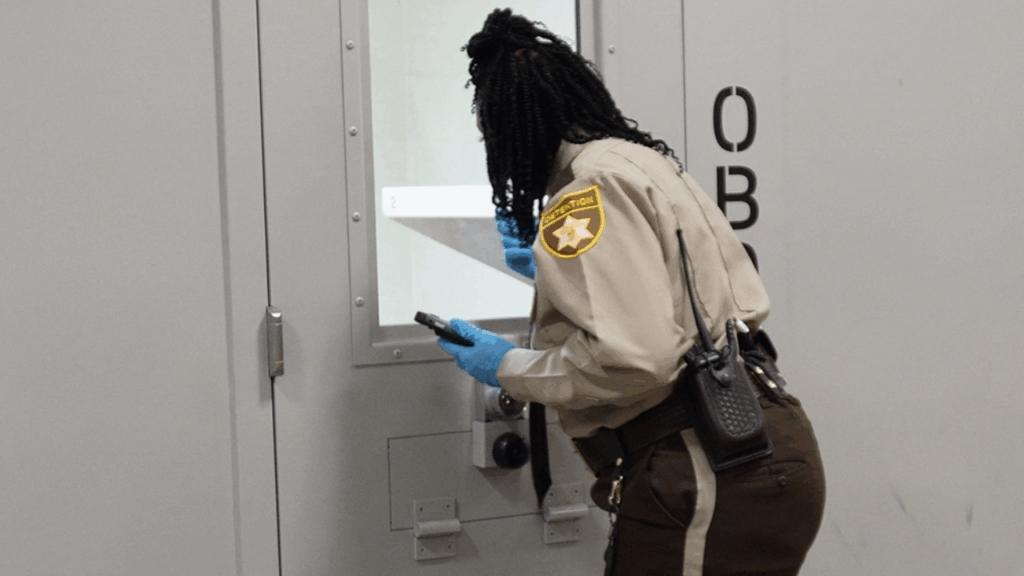
Importance of Checks on Special Status Inmates
Protecting Vulnerable Populations Through Enhanced Monitoring Special status inmates require enhanced monitoring protocols that go beyond standard observation procedures. These vulnerable populations present elevated risks demanding systematic observation, comprehensive documentation, and immediate response to behavioral changes or crisis indicators. Correctional facilities have legal and ethical obligations to provide enhanced care for inmates who present heightened…
Read More
Why Jails Should Use Mobile Inmate Tracking Systems
Transforming Correctional Operations with Mobile Tracking Mobile inmate tracking systems address critical operational challenges facing modern correctional facilities. These technologies provide enhanced security, improved efficiency, and significant liability protection that traditional manual systems simply cannot match. The value of mobile tracking lies in addressing evolving correctional demands while giving staff tools that enhance their effectiveness…
Read More
Q15 Minute Checks: Achieving Joint Commission Compliance in Psychiatric and Residential Treatment Facilities
The Critical Role of Q15 Minute Checks in Psychiatric and Residential Care In the high-stakes environments of inpatient psychiatric units and residential treatment programs, patient safety remains the foremost priority. At Guard1, we understand that at the heart of these safety protocols lies the Q15 minute check system—a standardized practice where staff observe patients at…
Read More