 1-216-595-0695 Sales

Guard1 Blog
How Correctional Staff Should Deal with Inmate Manipulation: Professional Response Strategies
Effective manipulation resistance combines policy knowledge, ethical grounding, and professional communication skills. While inmates may attempt various influence techniques, well-prepared staff can protect themselves through systematic preparation and consistent professional conduct. Success lies in maintaining clear boundaries while responding professionally to inappropriate requests or behaviors. Ground Yourself in Policy and Procedure Your facility’s policies and…

Best Practices for Transporting High Risk Inmates: Comprehensive Security Strategies
Safe high-risk transport requires comprehensive security planning that prioritizes officer safety and community protection while maintaining custody throughout the operation. Successful transport demands multi-layered security approaches addressing timing, routing, personnel coordination, and emergency preparedness. Security must remain the paramount concern from initial planning through return to the facility. Make Security Your Foundation Security protects both…
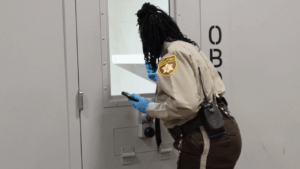
Importance of Checks on Special Status Inmates
Protecting Vulnerable Populations Through Enhanced Monitoring Special status inmates require enhanced monitoring protocols that go beyond standard observation procedures. These vulnerable populations present elevated risks demanding systematic observation, comprehensive documentation, and immediate response to behavioral changes or crisis indicators. Correctional facilities have legal and ethical obligations to provide enhanced care for inmates who present heightened…
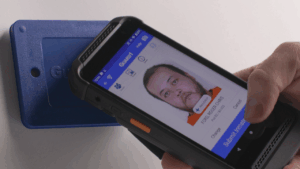
Why Jails Should Use Mobile Inmate Tracking Systems
Transforming Correctional Operations with Mobile Tracking Mobile inmate tracking systems address critical operational challenges facing modern correctional facilities. These technologies provide enhanced security, improved efficiency, and significant liability protection that traditional manual systems simply cannot match. The value of mobile tracking lies in addressing evolving correctional demands while giving staff tools that enhance their effectiveness…
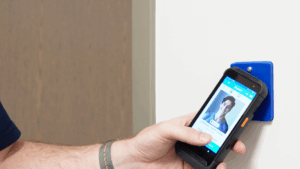
How the Guard1 Mobile SuperMAX Manages the Challenge of Unreliable WiFi
Concrete and steel construction creates WiFi dead zones in correctional facilities that can limit mobile technology. The Guard1 SuperMAX II eliminates this operational difficulty. Guard1 tracks rounds and activities reliably whether WiFi works or fails. The WiFi Reliability Problem Concrete and steel block or attenuate WiFi signals, creating intermittent connections. Operations Continue When WiFi Connectivity…
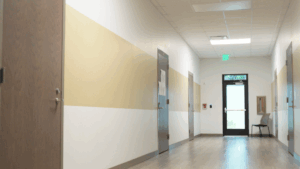
Behavioral Healthcare Bolting Alert System: Comprehensive Guide to Elopement Prevention
Behavioral Healthcare Bolting Alert Systems: Essential Safety Technology for Modern Facilities In the complex landscape of behavioral healthcare, patient safety remains the paramount concern for facility administrators and care providers. Among the most critical safety challenges facilities face is bolting and patient elopement-the unauthorized departure of patients from secured areas. A robust behavioral healthcare bolting…

Q15 Minute Checks: Achieving Joint Commission Compliance in Psychiatric and Residential Treatment Facilities
The Critical Role of Q15 Minute Checks in Psychiatric and Residential Care In the high-stakes environments of inpatient psychiatric units and residential treatment programs, patient safety remains the foremost priority. At Guard1, we understand that at the heart of these safety protocols lies the Q15 minute check system-a standardized practice where staff observe patients at…

ROI Analysis: The Business Case for Q15 Minute Check Systems in Psychiatric Facilities
Understanding Q15 Minute Check Systems Modern psychiatric and behavioral healthcare facilities face increasing demands for accountability, safety, and operational efficiency. Q15 minute check systems provide a comprehensive solution for monitoring and documenting patient observations, staff rounds, and facility operations in real-time. These digital platforms have become essential tools for maintaining patient safety while ensuring regulatory…

Q15 Minute Checks Guide: Implementation for Psychiatric and Residential Treatment Facilities
Why Your Facility Needs a Q15 Minute Check System Modern psychiatric and residential treatment facilities face increasing demands for patient safety, clinical accountability, and operational efficiency. Q15 minute check systems provide essential documentation for regulatory compliance and legal protection by ensuring that staff consistently perform their observation duties and maintain safety protocols. These systems help…
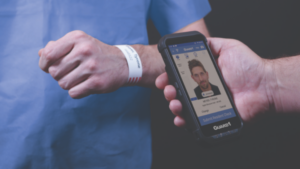
Q15 Minute Patient Safety Checks: Essential Guide for Behavioral Healthcare
In the complex world of behavioral healthcare, patient safety remains the highest priority. At the heart of this commitment lies a fundamental practice: the Q15 safety check. This essential protocol, where staff members observe patients every 15 minutes, forms the backbone of inpatient psychiatric care safety measures. While “Q15” 15-minute intervals are standard, healthcare facilities…